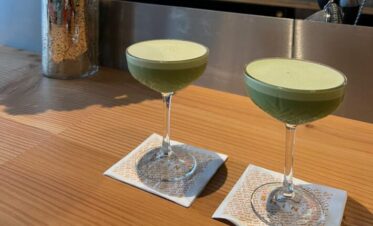

What’s your breakfast strategy?
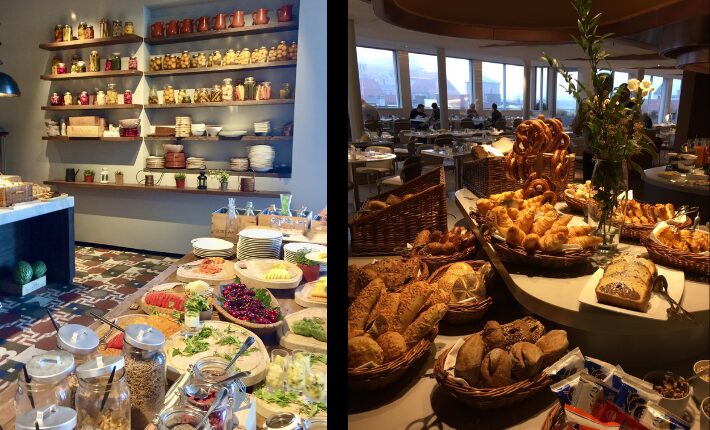 What's your breakfast strategy?
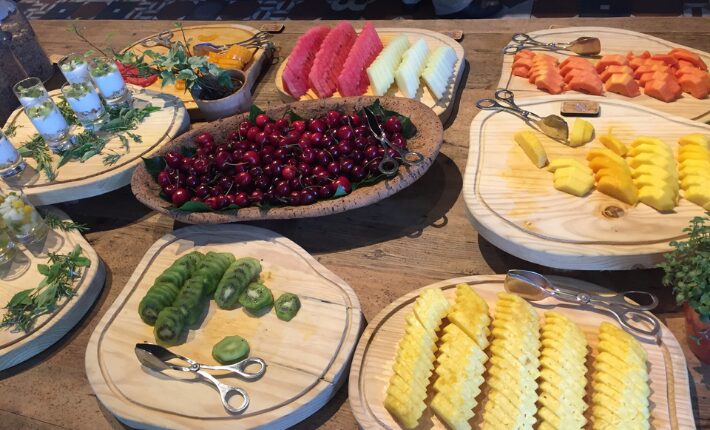 What's your breakfast strategy?
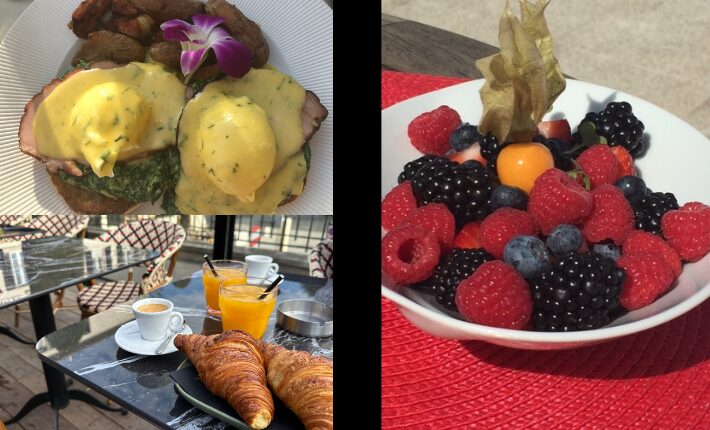 What's your breakfast strategy - some of our favourites
In September 2025, I was quoted in a BBC Travel article on changing breakfast experiences. The article, titled “Is it time to retire the all-you-can-eat breakfast buffet?”, explores how breakfast habits around the world are evolving — and which traditions are here to stay. Some trends are obvious, such as the growing focus on healthier dishes and products. Others, like the continued desire for abundance resulting in waste, are more open to debate. This article reflects our perspective on breakfast strategy. ^Marjolein van Spronsen
3 minutes read
The needs of your guests determine your breakfast strategy
We believe that guest expectations vary depending on the type of traveller. If you’re going on a holiday once a year, we can imagine you want to be pampered, and definitely don’t want to think about portion sizes, health, or environmental impact! At the other end of the spectrum is the business traveller or someone who travels frequently. For this guest, the ability to have breakfast within their usual “health standards” plays a much bigger role. The same goes for quality.
There are many different types of guests to define. In our opinion, it’s the hotelier’s responsibility to assess who their guests are and determine what their general preferences might be. Based on that, you can shape your breakfast strategy.
We travel a lot and see all kinds of delicious and more environmentally conscious breakfast buffet options. For example, we were recently served a traditional French breakfast consisting of a basket of baguette and croissants, with butter and jam. Coffee, tea, and freshly squeezed orange juice were served at the table. There was also a menu with hot breakfast options and a small fruit buffet.
The concept of a simple “breakfast-to-go” bar in the lobby is also an excellent solution in a business hotel. And it’s certainly suitable for many older guests as well, who often no longer want a large breakfast! Personally, I love those typical French breakfasts on a terrace — just a croissant with coffee and some water or juice. Simple and perfect.
The emotional guest experience | The buffet as a symbol for hospitality and abundance, but how about waste?
Breakfast buffets are a real challenge, especially for international hotels! Hoteliers have to cater to so many different tastes and preferences. During COVID-19, we actually assumed that buffets would disappear altogether – but apparently, the guest’s wish is king or is tradition? Even during the pandemic we still came across buffets.
One sustainable solution we’re seeing more often is tracking how much food is thrown away in order to determine the buffet’s baseline needs. It’s a technical approach that more and more hoteliers are adopting. An example of this is Les Grands Buffets in Narbonne, France. The owner expresses in interviews that they weigh out exactly what people eat to fight food waste. It needs a lot of discipline according to him though. We also wrote about the Orbisk and Winnow systems for example.
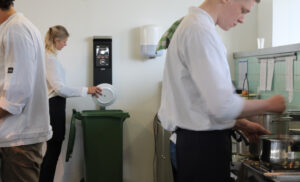
The food waste monitor by Orbisk in the kitchen
A standard breakfast buffet with a breakfast menu featuring special dishes
Another trend we’ve noticed is that international hotels often offer a standard buffet supplemented with a breakfast menu featuring special dishes. Serving these items at the table gives guests a feeling of luxury — and it’s certainly more sustainable! An added benefit is that this menu can include a range of “healthy options” for guests who want them. Personally, I always enjoy trying out these kinds of dishes!
Of course, this approach does require more staff involvement, but it offers a better balance between experience, sustainability, and guest satisfaction.
Is there a shift away from breakfast buffets?
We see especially in hotels with Michelin-starred restaurants or a higher culinary level, breakfast is increasingly becoming an extension of the overall guest experience. Like for example the brunch experience at Nobu London that is booked months in advance. In some establishments, you’re served a series of refined breakfast dishes at the table, while others offer a more modest breakfast enhanced with, for example, a small basket of cherries and one or two special items. In each case, the focus is on the experience the guest expects.
I’ve also come across an approach where guests are asked to fill out a breakfast order form the night before. Personally, I don’t find that to be a very hospitable solution! In short we see that outside of the big cities the breakfast buffet is still very popular but hotels are also slowly changing towards offering a standard buffet next to a specialties menu. In the big cities we spot a lot of ‘breakfast to go’ options next to a buffet.
Back in 2019 Marjolein also wrote a blog on the subject!